
Stop Feeling Like the Floor Is Moving Beneath You
Peninsula Hearing & Balance Center's doctors of audiology deliver comprehensive vestibular diagnostic testing in San Diego Metro — so you know exactly what is causing your dizziness and what to do about it.
Dizziness and balance problems are disorienting in every sense of the word. One moment you're standing in your kitchen, the next the room is spinning and you're grabbing for the counter. If that sounds familiar, you're not imagining it — and you're not alone. Balance disorders are among the most common reasons adults visit a doctor, yet they're routinely dismissed, misdiagnosed, or left unexplained for months. At Peninsula Hearing & Balance Center, we take dizziness seriously from the first appointment.
Balance testing is for anyone who experiences vertigo, dizziness, unsteadiness, or a persistent feeling that something is just off. It's for people who've been told their labs are normal but still can't walk down the hallway without holding the wall. It's for patients who've had one too many falls and want answers before the next one. The inner ear plays a central role in how your body maintains balance, and problems in this system can produce symptoms that range from mildly inconvenient to completely disabling. Our testing is designed to find those problems.
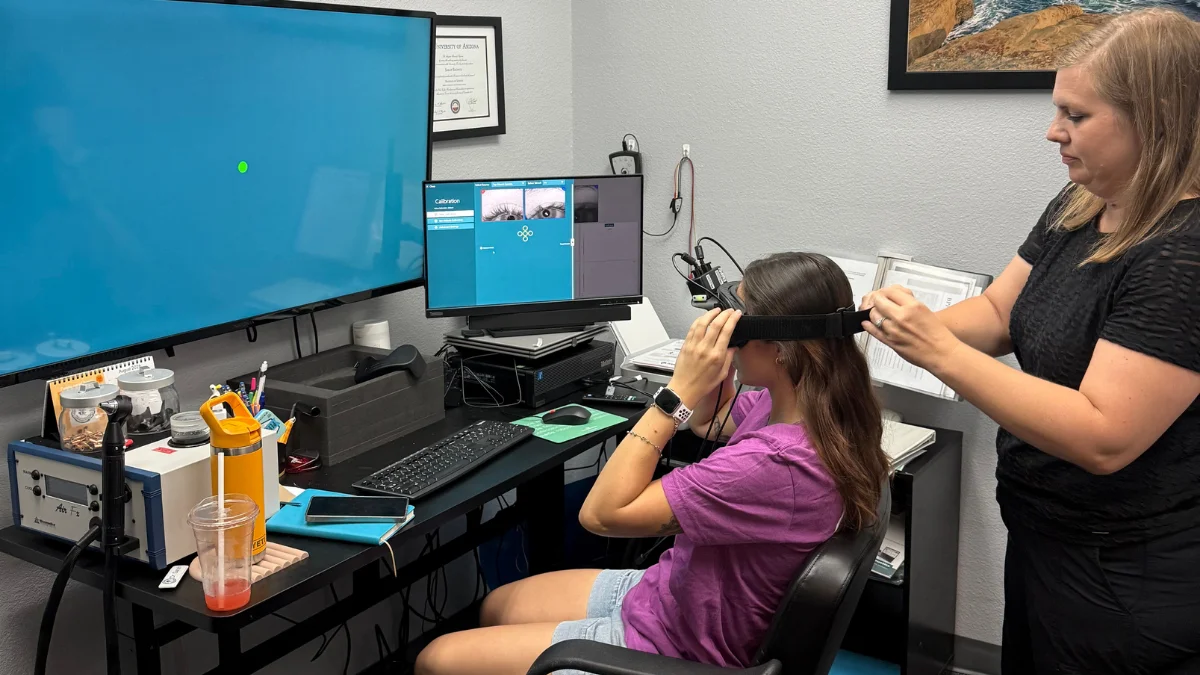
The evaluation itself is thorough but straightforward. Your provider — a doctor of audiology with advanced training in vestibular assessment — will take a detailed history of your symptoms before any testing begins. From there, a series of non-invasive tests measure how well your inner ear, eyes, and brain are working together to keep you upright. These may include videonystagmography (VNG), which tracks eye movement in response to inner ear stimulation, positional testing to identify conditions like BPPV, and other assessments tailored to your specific symptoms. Nothing about the process is painful, and most patients complete the evaluation in a single visit.
When testing is finished, you won't leave with a stack of papers and a vague follow-up in six weeks. Your provider will walk you through your results, explain what they mean in plain language, and outline a clear path forward. For many patients, that clarity alone is a relief — finally knowing what's happening is the first step toward getting better.
What We're Actually Looking For
Your balance system is a three-way partnership between your inner ear, your vision, and the sensory feedback your muscles and joints send to your brain. When any part of that system breaks down, your body loses its ability to accurately judge where you are in space — and dizziness is the result. Balance testing isolates which part of the system is struggling so treatment can target the actual source, not just manage symptoms.
Tests We Use and Why They Matter
Videonystagmography (VNG) is the cornerstone of most balance evaluations. It uses infrared goggles to track involuntary eye movements that reveal how well each inner ear is functioning. Positional testing identifies whether loose crystals in the inner ear — the cause of benign paroxysmal positional vertigo, or BPPV — are triggering your vertigo. Additional assessments may include rotational chair testing or posturography depending on what your symptom history suggests. Every test we use has a specific clinical purpose; nothing is routine for its own sake.
Conditions These Tests Help Identify
Balance testing can identify a range of vestibular conditions, including BPPV, vestibular neuritis, labyrinthitis, Ménière's disease, and age-related changes in inner ear function that increase fall risk. Some patients come in with a diagnosis already on paper but symptoms that don't match — testing frequently brings that picture into sharper focus. Identifying the correct condition is what makes it possible to choose a treatment that actually works.
What Happens After Your Results
Your provider reviews findings with you before you leave. If your results point to a vestibular condition that responds to in-office treatment — BPPV is the most common example — that treatment may begin the same day. If your results suggest a condition that benefits from vestibular rehabilitation, medication management, or coordination with another specialist, your provider will explain that recommendation clearly and help you understand the next step. You will always leave knowing what was found and what happens next.
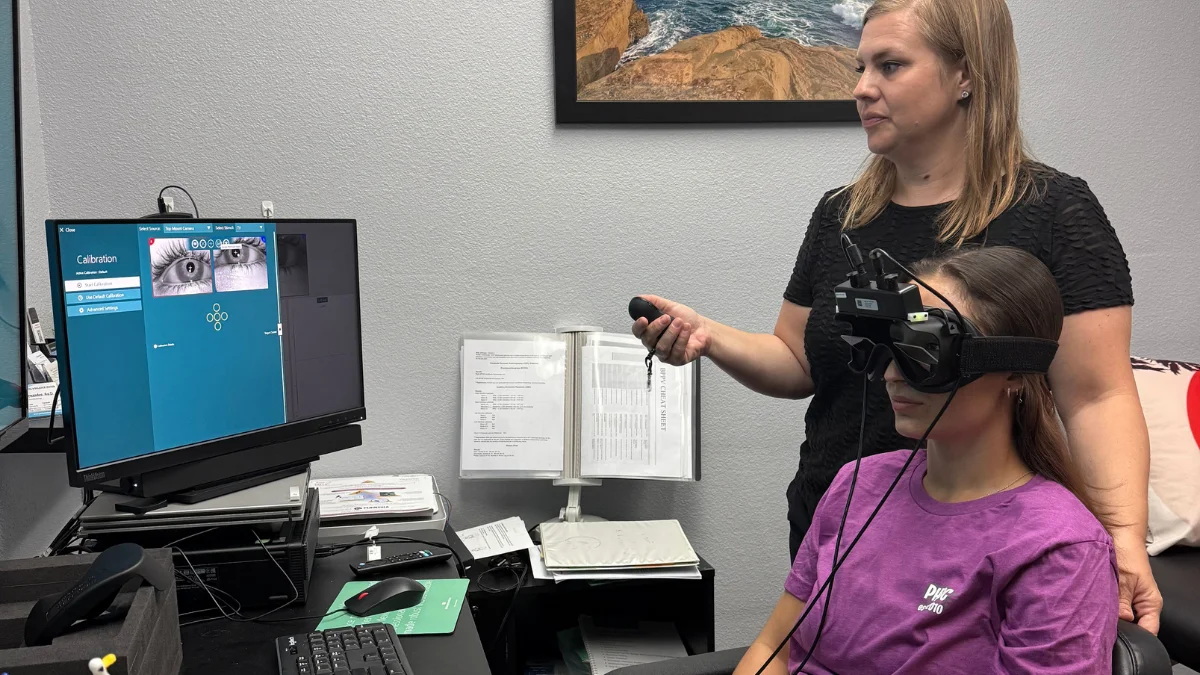
Peninsula Hearing & Balance Center's doctors of audiology bring subspecialty vestibular training to every balance evaluation — the same level of diagnostic rigor typically found only in hospital-based balance programs, available at our Point Loma office, serving Coronado and greater San Diego County.
Common Questions
How do I know if I need balance testing rather than just a regular doctor's visit?
Is the testing uncomfortable or painful?
How long does the evaluation take?
What should I do to prepare for balance testing?
Can balance testing tell me if my dizziness is related to my hearing?
Get Answers to Your Dizziness — Starting With One Appointment
Our doctors of audiology will identify exactly what is causing your dizziness and give you a clear path forward.