

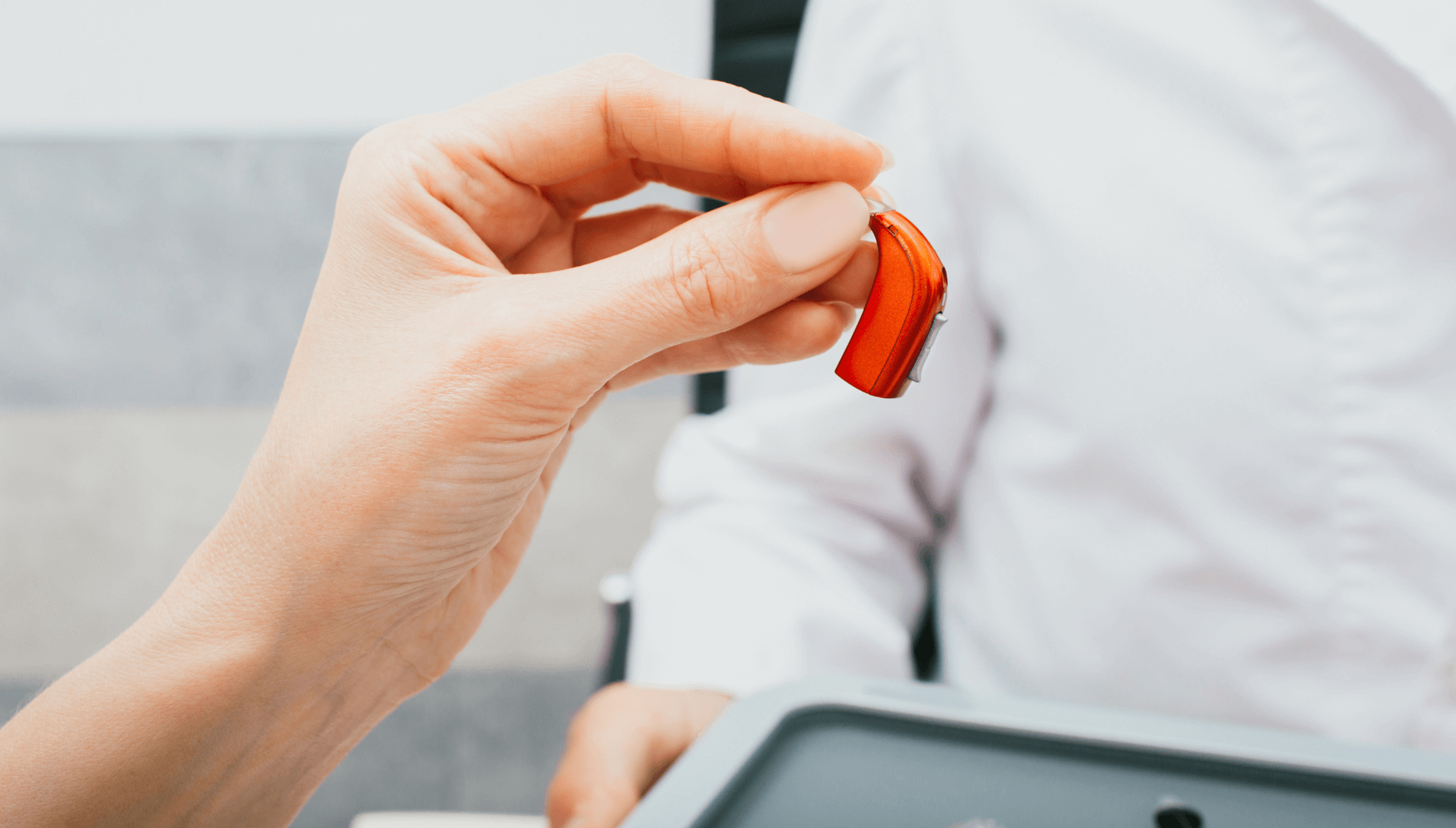
Hearing technology continues to improve every year. Modern hearing aids offer clearer sound, improved comfort, and advanced features that help people hear better in many environments. Because of these improvements, many individuals eventually decide to switch hearing aids or upgrade to newer devices.
While the benefits of new technology are clear, the process of changing hearing aids can also involve emotional adjustments. People often develop strong habits with their current devices, and adapting to new technology can feel unfamiliar at first. Understanding the emotional side of upgrading hearing aids can help individuals approach the transition with greater confidence.
Why People Upgrade Their Hearing Aids
Most hearing aids are designed to last several years. Over time, hearing needs may change, and new technology may offer better solutions for communication challenges. These factors often lead people to consider upgrading their devices.
People may choose to upgrade hearing aids for several reasons:
- Their hearing ability has changed over time
- Their current devices are older or no longer working well
- New technology offers helpful listening features
Although upgrading can improve hearing, the process still requires some adjustment.
Emotional Reactions to New Technology
Many hearing aid users become comfortable with their devices after years of daily use. The way sounds are processed, and the way the devices feel in the ears, become familiar over time.
When switching to new hearing aids, users may notice differences in sound quality or control settings. These changes can feel surprising at first. Some people may worry that the new devices will not feel as comfortable as their previous ones.
It is important to remember that these reactions are normal. Adjusting to new hearing technology takes time, and most people become comfortable with their devices after a short period of use.
The Adjustment Period
Just like first-time hearing aid users, people upgrading their devices often experience an adjustment period. New hearing aids may amplify sounds that were previously unnoticed.
For example, everyday sounds such as footsteps, clothing movement, or background noise may seem louder or clearer. While these sounds may feel unusual at first, they often become more natural as the brain adapts.
Hearing specialists usually recommend wearing new devices for gradually increasing periods each day. This approach allows the brain to adjust slowly while building confidence in the new technology. Patience during this stage helps users become comfortable with the improved sound quality.
Support from Hearing Professionals
Professional guidance plays an important role when switching hearing aids. Hearing specialists evaluate hearing ability and recommend devices that match each person’s listening needs.
Follow-up visits are also valuable. During these appointments, hearing professionals can adjust sound settings, answer questions, and address concerns that may arise during the adjustment process. These visits help make sure that the devices provide the best possible listening experience.
Learning New Features
Modern hearing aids often include advanced features that were not available in earlier models. These may include automatic sound adjustments, wireless streaming, and improved speech detection.
At first, learning how to use these features may feel unfamiliar. However, many users find that the benefits become clear once they understand how the technology works.
Helpful steps when learning to use new hearing aids include:
- Practicing controls in quiet environments
- Asking hearing specialists for demonstrations
- Reviewing instructions provided with the devices
With regular use, most individuals quickly become comfortable using their new hearing aids.
Monitoring Hearing Health
Upgrading hearing aids also provides a good opportunity to review overall hearing health. Hearing ability can change gradually, and regular evaluations help ensure that hearing devices continue to meet each person’s needs.
Routine appointments allow hearing specialists to monitor hearing ability and recommend adjustments when necessary.
The Benefits of Upgrading Hearing Technology
Although the transition to new hearing aids may take time, many users experience meaningful improvements once they adjust to their upgraded devices. Modern hearing technology often provides clearer speech understanding and reduced listening effort.
Moving Forward with Confidence
Switching hearing aids is both a practical and emotional process. Feelings of uncertainty are common when adapting to new technology, especially when the devices are used every day.
Modern hearing aids continue to evolve, offering better tools to support communication and hearing health. By working closely with hearing professionals and focusing on the benefits of improved technology, individuals can move forward with confidence and enjoy clearer sound in their daily lives.