

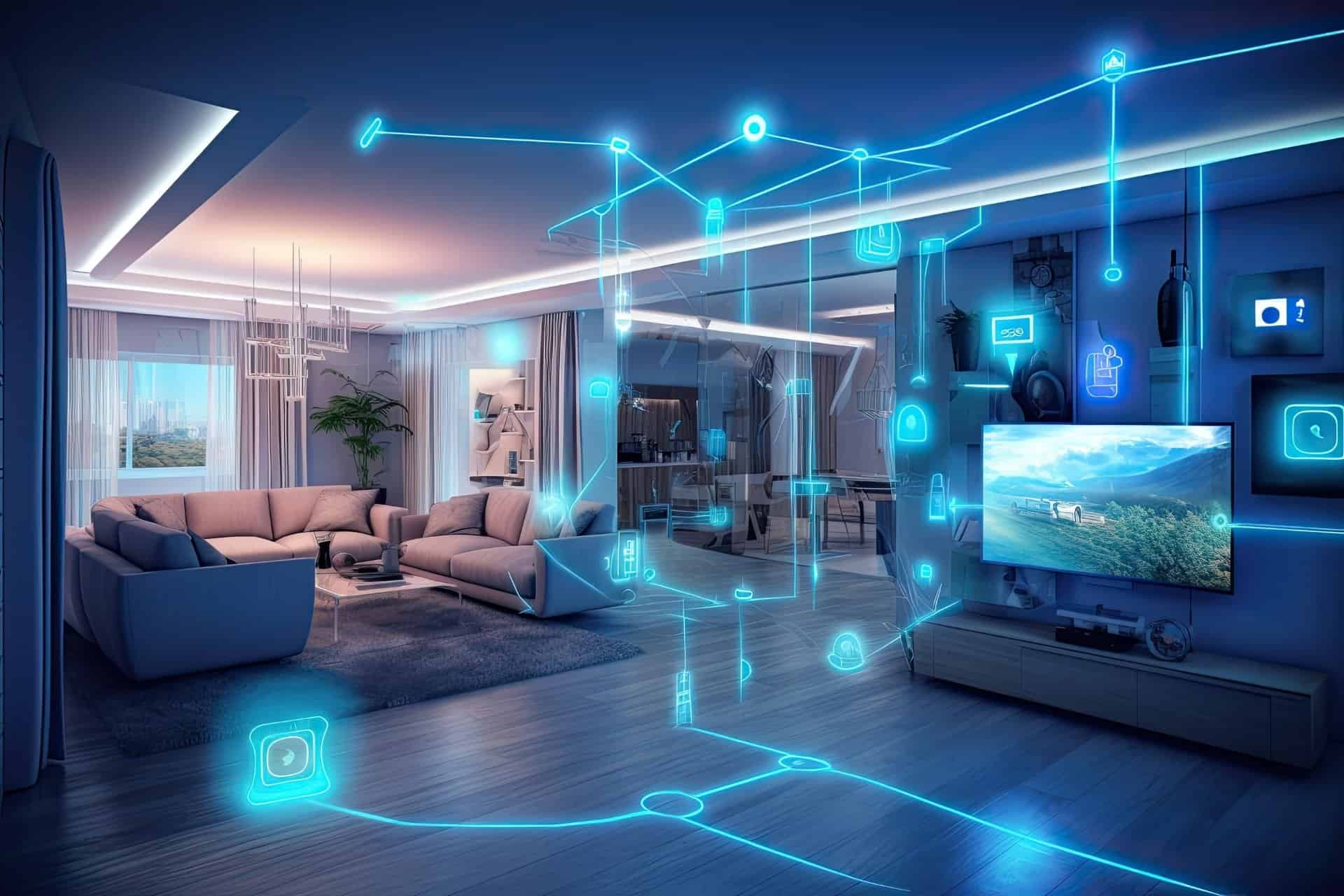
Smart home technology is changing the way people interact with their surroundings. From voice-controlled assistants to automated lights and appliances, these tools offer convenience and comfort. For people with hearing loss, smart homes provide additional benefits that support safety, independence, and communication. Understanding how these technologies work can help individuals and families make informed decisions about their living environments.
Improving Safety in the Home
Safety is a significant benefit of smart home technology for those with hearing loss. Alerts that rely only on sound make it difficult for individuals to react quickly. Smart devices provide alternative communication channels to ensure necessary signals are noticed.
Smart smoke detectors and carbon monoxide alarms can connect to smartphones or smart lights. When triggered, they send alerts that may flash lights or send vibration notifications. This allows individuals to receive warnings even if they cannot hear the audible alarm. Some systems also automatically contact emergency services, adding another layer of protection.
Doorbell and security camera systems are also helpful. Smart doorbells can display video on a smartphone or an indoor screen. When someone is at the door, the system sends visual notifications. Some systems include two-way communication, allowing individuals to interact with visitors without relying on sound. Home security systems can also send alerts for movement or entry, which reduces anxiety about missing essential sounds.
Improving Everyday Convenience
Smart home devices increase convenience in daily tasks, especially for communication and household management. Voice assistants such as smart speakers can connect to phones, lights, thermostats, and appliances. Many systems allow settings to be controlled via apps or visual displays rather than relying on sound cues.
Examples of helpful smart home features include:
- Smart lights that turn on or off at scheduled times or when movement is detected
- Smart appliances that send notifications when tasks are complete
- Smart thermostats that adjust heating and cooling automatically
For individuals with mild to moderate hearing loss, voice assistants can still be helpful for reminders, messages, and device control. Many assistants also show text on screens or send phone alerts, which helps those who prefer visual instructions. This reduces the need to listen for subtle sounds such as timers, microwave beeps, or washing machine cycles.
Supporting Communication and Connectivity
Communication is often more challenging for people with hearing loss. Smart home features can help clarify and make communication more accessible. For instance, smart TVs offer closed captioning settings and can be paired with wireless hearing devices. Speech-to-text programs convert spoken words into written text during conversations, teleconferences, or phone calls.
Many modern doorbells and intercoms allow video communication. Seeing the person speaking makes lip reading possible and improves understanding. Text-based messaging apps and smart displays also let family members communicate visually across different rooms. These features reduce confusion and frustration while promoting independence.
Assisting with Alerts and Reminders
Hearing loss can make it easy to miss auditory reminders such as alarm clocks, oven timers, or phone notifications. Smart home systems offer multiple ways to deliver information. Devices can vibrate, flash lights, or send visual notifications to phones or watches.
- Examples of helpful accessible alerts include:
- Wake-up alarms that use bed shakers or flashing lights
- Calendar reminders displayed on smart screens
- Phone call notifications with visual pop-ups
- Appliance alerts sent to smartphones
These tools support time management and reduce reliance on others for reminders.
Encouraging Independence and Confidence
One of the strongest benefits of smart home technology is the increased independence it provides. Individuals with hearing loss can manage their households more confidently, knowing that alerts and communication tools are accessible. This is especially valuable for older adults who want to remain in their homes.
Smart homes also help caregivers and family members stay connected without being intrusive. Remote monitoring features let caregivers check on safety devices without physical visits.
Considerations Before Building a Smart Home
Although smart home technology offers many benefits, it is important to consider practical factors such as cost, compatibility, and learning needs. Not every device works with every system, so careful planning prevents frustration.
Key considerations include:
- Compatibility among devices and platforms
- Ease of use and accessibility features
- Installation requirements and internet reliability
Talking with specialists can help individuals identify which features are most relevant to their hearing needs. Occupational therapists and technology consultants can also provide guidance, especially for older adults.
Conclusion
Smart homes offer valuable support for people with hearing loss across many areas of daily life. They improve safety through visual and connected alerts, make communication clearer with text and video tools, and promote independence by simplifying household tasks. While smart technologies do not replace audiological care, they work alongside hearing aids and other devices to create a more accessible living environment. As technology continues to develop, smart homes will become even more adaptable and inclusive, helping individuals with hearing loss live comfortably and confidently.